Happy New Year everyone! I wanted to share the Goodreads “My Year in Books” infographic, with some brief reflections to follow, I hope–though fewer charts this year. You can see the interactive online infographic here, or read on.
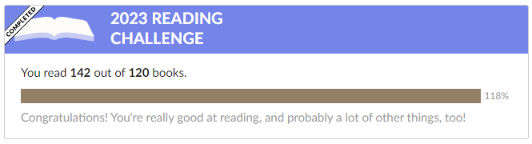
Last year, in line with whatever algorithms call tradition, Goodreads said to me, “Congratulations! You’re really good at reading, and probably a lot of other things, too!”
Apparently, I am no longer worthy of a compliment. However, I won 4 contests I had no idea existed, so that’s cool.
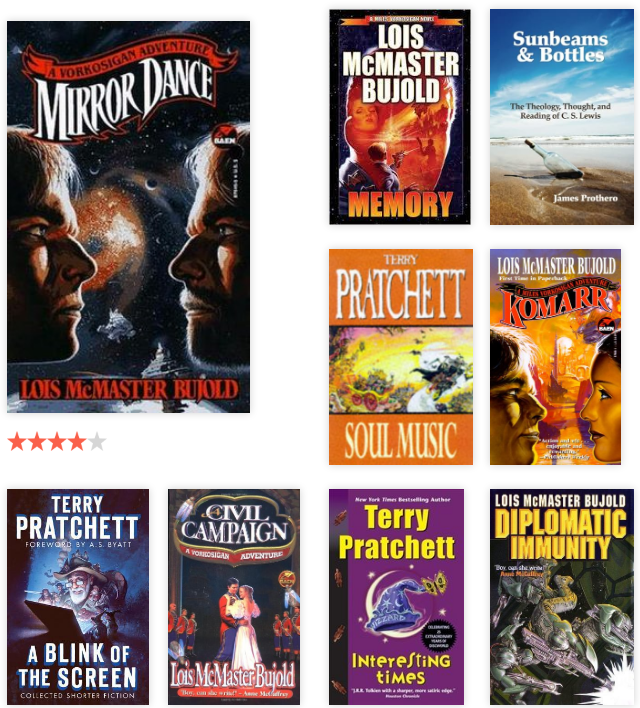
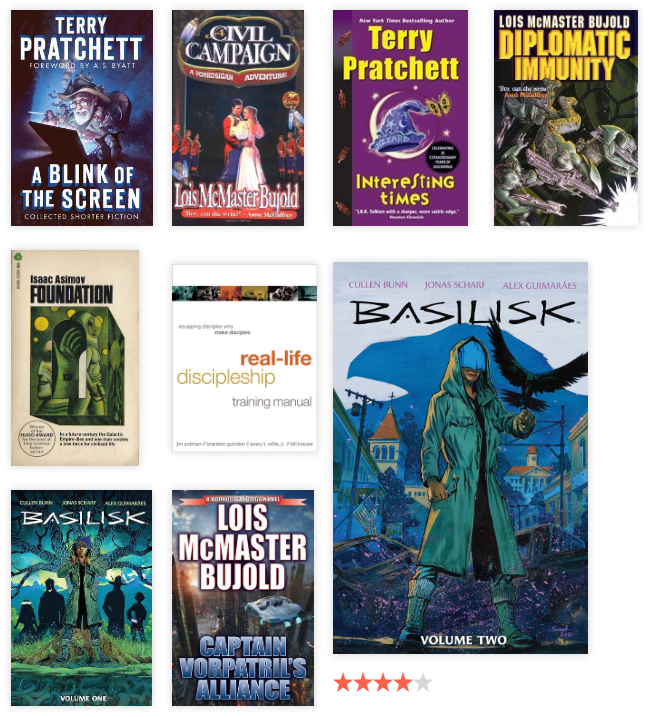
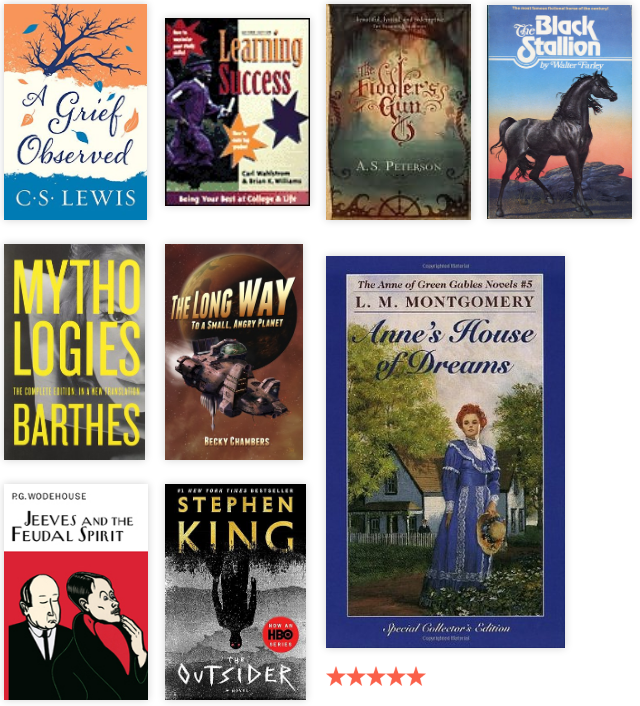
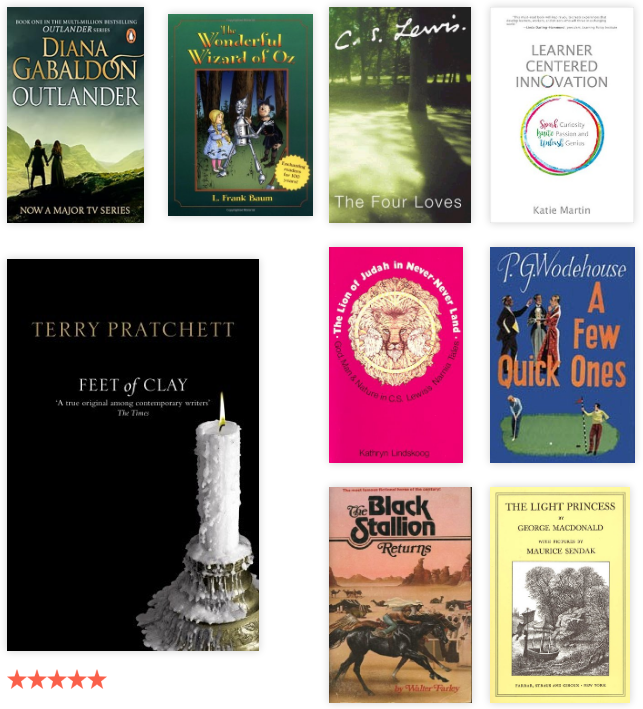
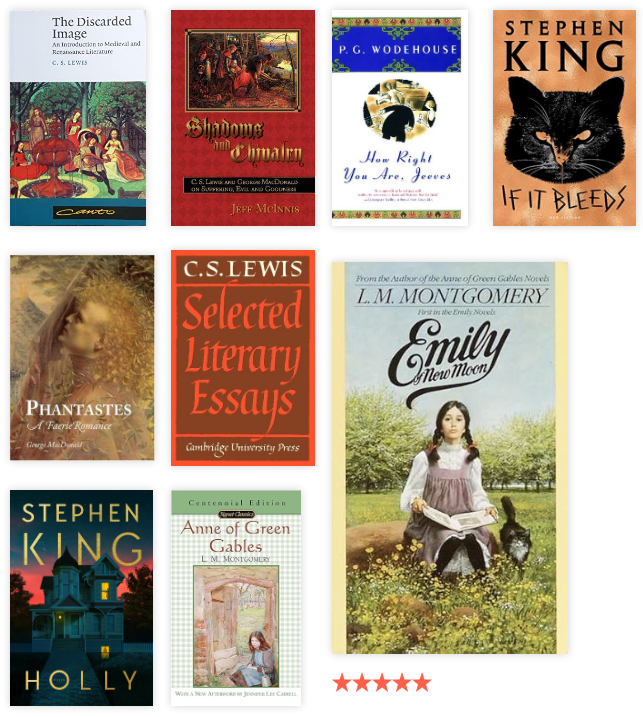
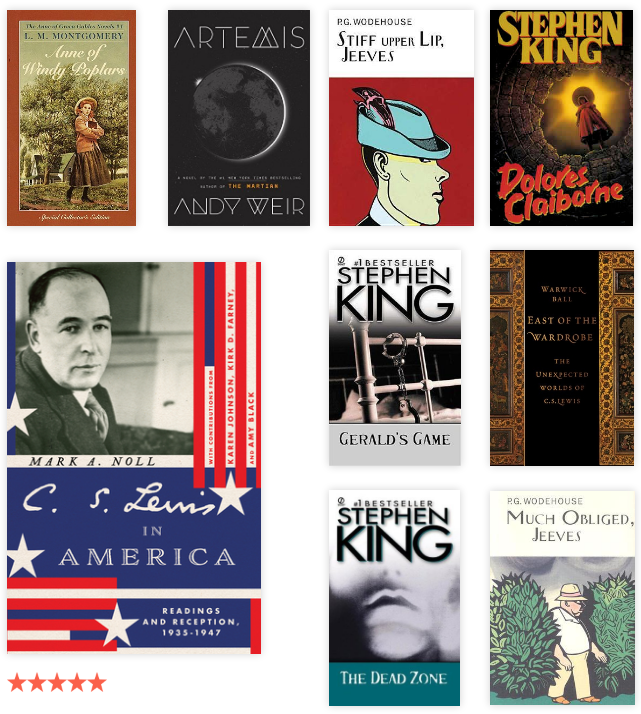
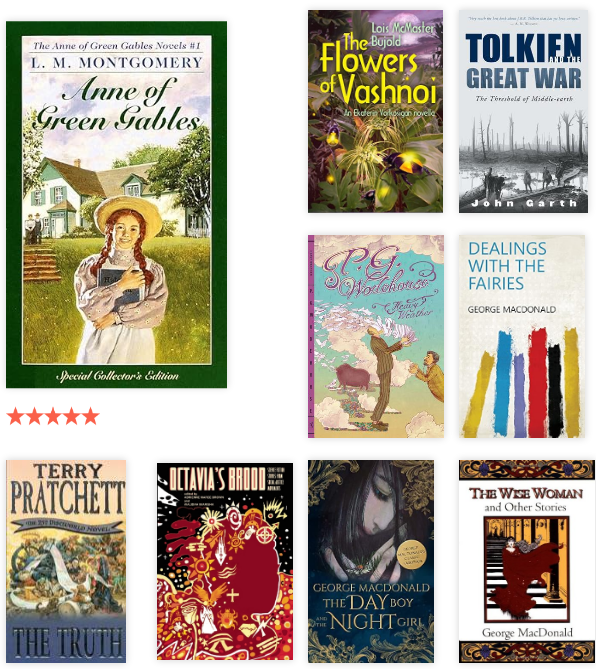
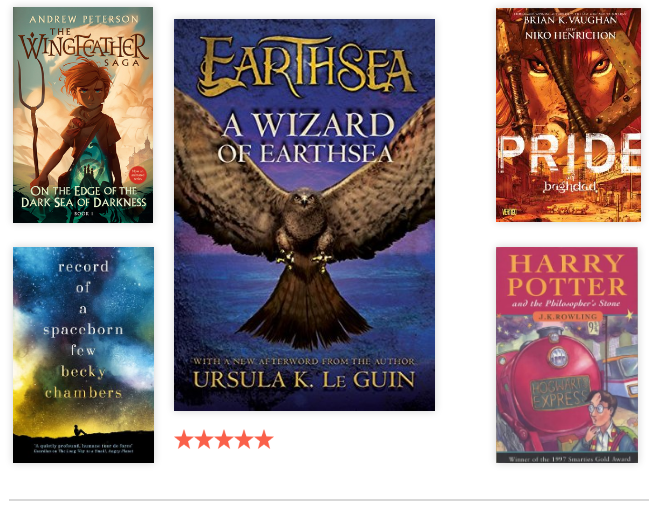
In 2025, I hope to win enough challenges that my bookmarks can be symmetrical. I don’t know what a Diamond Reader is, but I met my reading goal of 120 books this year (my own spreadsheet says 120, not 127). These are those books:
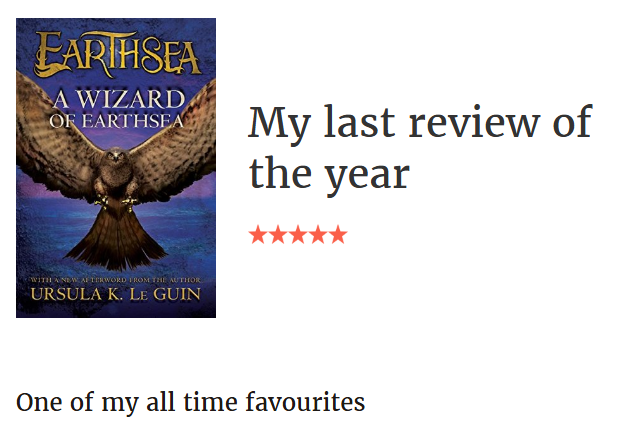
Here is the full infographic. Best wishes in the literary year to come!
I believe in open access scholarship. Because of this, since 2011 I have made A Pilgrim in Narnia free with nearly 1,000 posts on faith, fiction, and fantasy. Please consider sharing my work so others can enjoy it.
After driving 12 hours from Prince Edward Island to Hartford, Connecticut, I picked up someone at the airport that I met on the Internet. And he has offered me a place to stay near Yale University.
While this sounds like the setup to one of those brilliantly lit, chiclet-toothed, winning-smile Christmas horror films that Hallmark makes. But it is all okay. This face-on-the-screen newfound friend is Derek Holder, host and producer of The Plunge Podcast. More of this anon.
The reason I am at Yale is because of the final event in the George MacDonald Bicentennial celebration. I missed most of the events, but I was very pleased to be at the June GeoMac200 conference at Wheaton, Illinois. It was truly brilliant, and I was allowed to share a bit about MacDonald and L.M. Montgomery in her sesquicentennial—check out Maud150 posts, news, and events online. My talk there was titled
“George MacDonald’s Spiritual Theology of the Imagination and the Prophetic Critique of Anne of Green Gables.”
It was, I’m afraid, a grander title than my performance bore out.
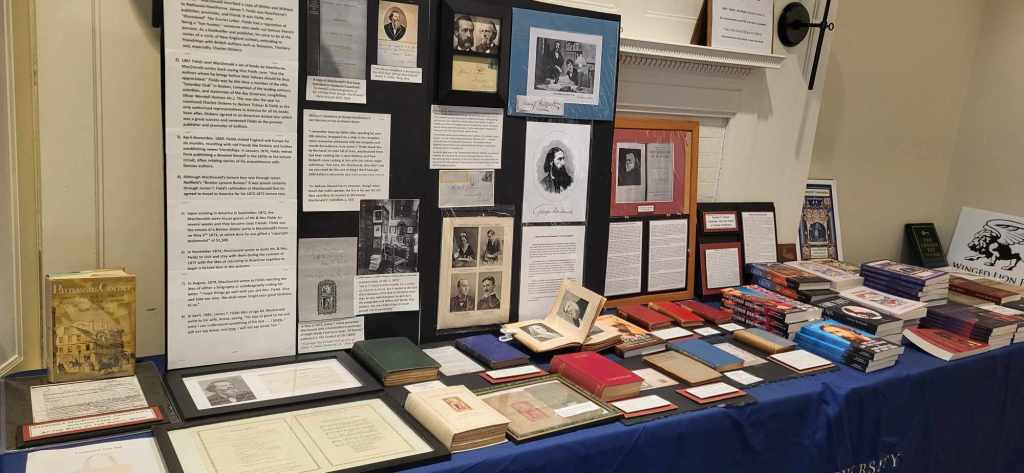
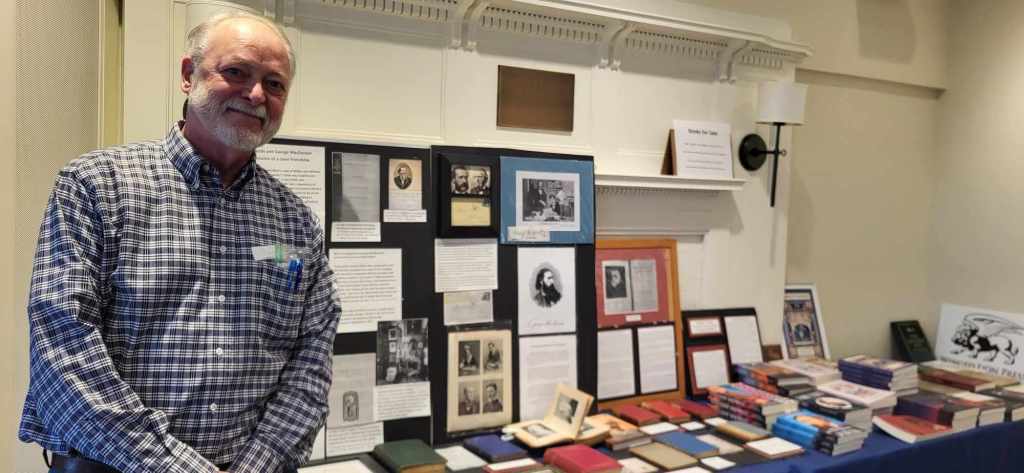
I missed the other key event of the year, the conference at St. Andrews. But thanks to some small changes in the fabrics of space and time, I found I was able to attend this conference at Yale, “The Genius of George MacDonald.” Then I was asked to share some ideas about MacDonald’s natural imagination, creation theology, environmental vision and the like. I had been playing with a particular idea that rhymed with this theme, so I pitched the title, “Passports to the Geography of Fairyland: Experimental Field Notes on George MacDonald’s Socio-ecological Imaginary.”
Again, it is a grander promise than I could possibly keep, but I am looking forward to the talk tomorrow morning.
And now I am here!
And as I just now found out, you can be here too! At least in the virtual sense. You can register here for a $10 USD for the livestream. I’ve added conference details below. More later.
Description
“A Scot of genius” wrote G.K. Chesterton; “the greatest genius of this kind whom I know,” declared C.S. Lewis. For the nineteenth-century intellectual George MacDonald, the title of ‘genius’ applies not merely to the works of fantasy for which he is now most remembered. A veritable polymath, MacDonald made a significant impact on the intelligentsia of his era, engaging with writers and social reformers from John Ruskin, Lewis Carroll, and Mark Twain, to Matthew Arnold, Octavia Hill, and Josephine Butler. His ideas fundamentally shaped much contemporary thinking on faith and imagination in disciplines as diverse as literature, philosophy, theology, natural science, education, social justice, visual art, theatre, and even music.
In 2023 Dr Marilyn Piety of Drexel University envisaged an academic conference that would bring discussion and examination of MacDonald’s work — and its significance — back into wider discourse. Her conversations with Dr David Mahan of the Rivendell Institute at Yale University resulted in this gathering, in the very bicentenary month of MacDonald’s birth. Yale’s Beinecke Rare Book & Manuscript Library holds the world’s largest collection of MacDonald materials, as will be showcased. In their keynote Drs Amanda Vernon and Kirstin Jeffrey Johnson will explore the import of these holdings in redressing errors and oversights in MacDonald scholarship, as well as providing ongoing revelations of the breadth and depth of MacDonald’s impact on his culture-changing contemporaries, and reflections on how his vocational praxis is perhaps more relevant now than ever. Scholars from a number of fields have gathered to analyze and discuss the significance and implications of MacDonald’s thinking and praxis. Dr Chelle Stearns has arranged an historic evening concert to examine — and experience — MacDonald’s revolutionary text Phantastes: A Faerie Romance for Men & Women through responsive pieces by Gustav Holst, J.A.C. Redford, and Eric Paździora, and readings by Malcolm Guite. We hope that this conference will invoke yet further attentio into the wide-ranging work and legacy of this generative man of letters and of action.
Conference Schedule
Friday 13 December
8:30–Arrival and Coffee
9:00 — Welcome David Mahan and Marilyn Piety
9:15 — Keynote: “A Genius for Then and Now: George MacDonald’s Generative Relationality” Amanda Vernon and Kirstin Jeffrey Johnson
10:15 — Walk to Beinecke
10:30 — Beinecke Tour
12:00 — Lunch
14:00 — MacDonald, Science, and Pedagogy Science, and Pedagogy MacDonald’s lifelong interest in science and his work as a pedagogue offer a framework for this panel. The first paper considers MacDonald’s embrace of the imagination as an instrument for apprehending reality, which heals a deep-seated cultural split between science and wonder. The second paper examines the connections between George MacDonald’s approach to formative education and that of A.J. Scott.
1. Kerry Magruder, “George MacDonald and the Scientific Imagination.”
2. Brian A. Williams, “Master and Disciple: A.J. Scott & George MacDonald on Education as Formation.”
15:00 — Coffee Break/Free Time
16:00 — MacDonald and Theology This panel examines MacDonald’s complex relationship with Calvinist theology. The papers address this subject from various angles, as they explore, respectively, the relationship between MacDonald’s ‘holy imagination’ and Calvin’s ‘epistemic restraint,’ the role of the emotions in religious experience, and atonement theology.
1. Justin Bailey, “‘Great Souled, but Hard Hearted’: George Macdonald and John Calvin.”
2. Julie Canlis, “Soul-schism & Calvinism: MacDonald and the role of the emotions in religious experience.”
3. Trevor Hart, “‘Love working life through affliction and death’: MacDonald’s post-Calvinian account of the atonement.”
17:30 — Dinner (not provided, but we will try to organize groups)
9:00 — MacDonald Amongst the Philosophers This panel places MacDonald in conversation with Classical and existentialist philosophers. The first paper considers MacDonald’s use of classical sources (including Plato, Epictetus, Euclid, and Virgil), and the second offers a comparative examination of Kierkegaard’s and MacDonald’s readings of the Greek New Testament.
1. Laurie Wilson, “Joining the Intellect and the Imagination: George MacDonald and the Classics.”
2. Marilyn Piety, “Ad Fontes: Kierkegaard and MacDonald on ‘Original Christianity.’”
10:00 — Coffee Break
10:30 — MacDonald and The Natural World This panel considers MacDonald’s interest in the ecological. The first paper offers an excursion into MacDonald’s socio-ecological imaginary, before the second explores MacDonald’s impact on the Victorian artist-missionary Lilias Trotter and highlights their mutual understanding of nature as a window into divine truth.
1. Brenton Dickieson, “Passports to the Geography of Fairyland: Experimental Field Notes on George MacDonald’s Socio-ecological Imaginary.”
2. Jennifer Trafton, “Reading God’s Picture-Book: MacDonald’s Influence on Lilias Trotter’s Spiritual Vision.”
11:30 — Lunch and Free Time
1:00 — MacDonald the Steward of British Lit This panel examines MacDonald in light of his work as a literary scholar. The first paper considers MacDonald’s engagement with Middle English poems in his anthology of religious lyrical poetry, England’s Antiphon.
The second paper examines MacDonald’s work on Shakespeare, and demonstrates his significance and relevance to Shakespeare studies both in his age and ours.
1. Karl Persson, “A Bridge Between Antiquarian Scholarship and Popular Piety George MacDonald’s Curation of Middle English Poetry in England’s Antiphon”
2. Joe Ricke, “‘Second only to the Bible’: George MacDonald, Shakespeare Scholar”
14:00 — Coffee into Breakout Groups
15:30 — Round Table David Mahan, Malcolm Guite, Kirstin Jeffrey Johnson, and Amanda Vernon
17:00 — Thank-yous and Farewells
I believe in open access scholarship. Because of this, since 2011 I have made A Pilgrim in Narnia free with nearly 1,000 posts on faith, fiction, and fantasy. Please consider sharing my work so others can enjoy it.
Canadians just are not as good as Americans when it comes to iconic days. Let’s be honest: Canada Day isn’t nearly as interesting as Independence Day, though we do have our quaint traditions in each hamlet, harbour, and neighbourhood. The American Civil War is one for history books, family legend, and blockbuster TV, while 10 to 1 odds it is unlikely the reader knows much about Canada’s founding moment, our Battle on the Plains of Abraham. From the landing of the Mayflower to 9/11, America sets its days in the hewn stones of history, while Canada plays YouTube reruns of Heritage Minutes, which are mostly cool things Canadians did without anyone knowing they were Canadian–and often before there was such a thing as “Canada.”
And some of them, we must admit, are lovely little stories about how we are not “Americans”:
The moment hit home for me on Aug 31, 1997, early in the morning on the East Coast. I can pinpoint where I was when I heard that Lady Diana died. It was a Sunday. I was on my way to my internship. I was driving down a side road of the little community as my new wife and I were preparing to move to the village the next day. I remember the announcer’s voice, the weather, and some sense of loss, even though I have little royal interest.
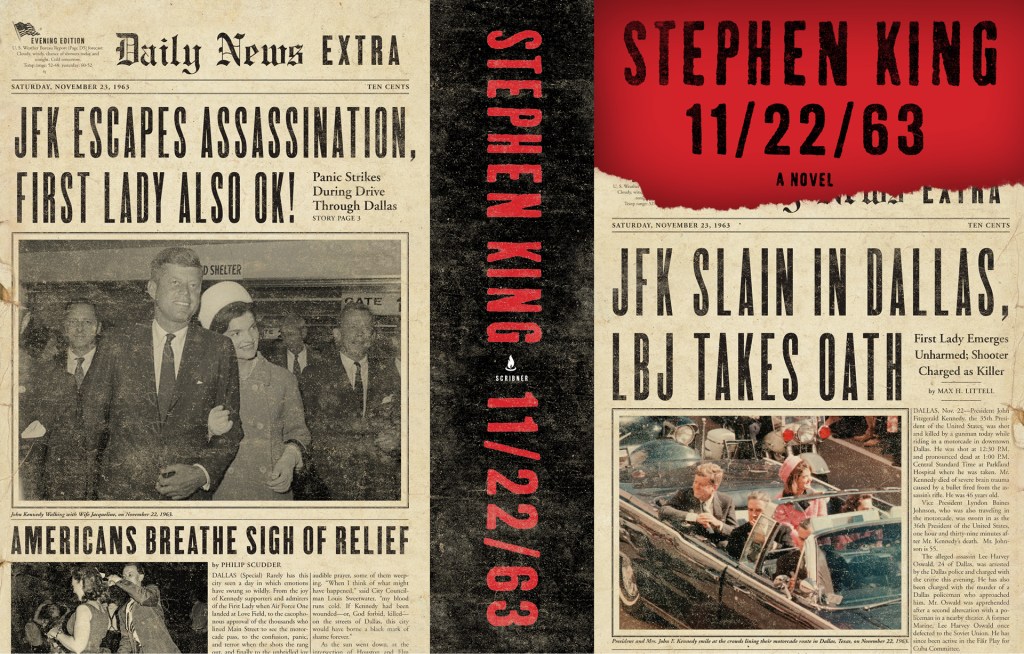
I sealed the memory within me in the way people sealed in Nov 22, 1963, the assassination of John F. Kennedy. My memory of Lady Di’s crash is perhaps chiefly due to my grandfather’s wry sense of humour. On the eve of Diana’s epic, international funeral, Mother Teresa quietly passed away. Most people were focussed on things other than a nun in India. My grandfather, a man of select words, commented:
“It really is poor timing on her part,” he said. “Abominable timing,” I said. “If she’d have thought it through, she might have waited,” he said. “A real mistake in marketing,” I said.
On Feb 17, 2011, my grandfather died. It was a Thursday.
I am far too young to know the JFK moment as all middle-aged Americans do. I think I remember the death of John Lennon, also an assassination. I don’t remember any details as a five-year-old boy, except a general sense of sadness in the house. Strawberry fields forever and the like. It was a Monday.
Though Canadians are lacking in the area of great days, I feel free to borrow UK and, especially, American iconic moments. I remember all the minutes of 9/11. It was a Tuesday. I was in rural Japan when I heard what had happened from our American landlords. My wife and I drove to the top of a mountain to get the English radio station from the American installation at the Yokota Air Base on the Kanto Plains. Then we mourned with the motley crew of ex-patriots under the weepy trees of Karuizawa. It was an international day of grieving, but it was an American day. Though we came from all parts of the world, on 9/11 we were all kind of American.
Then there was 12/22/63.
In my own life, besides 9/11 and that week in June 1989 when things went bad in Tiananmen Square, there are dates I will never forget: Thursday, April 16, 1987; Sunday, Feb 4, 1990; Monday, Jul 2, 1990; Monday, Jan 3, 1994; Friday, May 9, 1997; Thursday, Nov 25, 2004; Friday, Feb 1, 2008. They are mine, not the world’s. No children salute as the motorcade of my memory travels by.
Despite the impact of 9/11, which is shaping American culture and politics up to this very minute these decades later, the weight of American days in memory is still evident on Nov 22, 1963. The death of Kennedy, which keeps appearing in this reflection on C.S. Lewis’ death, continues to appear in American consciousness. When he died in Dallas, the news overwhelmed all other news throughout the world.
There were many things that happened that day. A police officer died with Kennedy, didn’t he? The Beatles released their second album. The political tides were shifting in Asia. Americans died in Vietnam as children there lost their homes. Many people in the world died that day, including Aldous Huxley, the author of Brave New World and dozens of other books. This was also the day that Wilhelm Beiglböck died comfortably in his home after having made a career out of doing live human tests on Jews in concentration camps as if they were lab rats, which in his mind they were.
Most eyes were turned away from his death. Perhaps that is best.
My grandfather quipped that Mother Teresa should have planned her death better. It doesn’t surprise me that she slipped away without much fanfare. She may not have thought she was worth the fuss anyway.
I suppose my grandfather would also have criticized C.S. Lewis for his inopportune death. If dying during the week of Lady Di’s memorial was bad, dying on the 1960s day of days for a leading country of the world is even worse. But that is what happened. On Nov 22, 1963, while Americans were glued to their television sets and radios, the news that C.S. Lewis died quietly in his bedroom slipped out into the world. Lewis had been recovering from an episode in the summer, but his health faded quickly in November. Lewis was one week shy of his sixty-fifth birthday when he died. It was a Friday, as today is a Friday.
Almost no one paid attention to the death of one of the most popular authors of a generation. This probably would not have fazed Lewis, though he may have found it disappointing that neither his brother Warren nor his close friend Tolkien attended his funeral. I am not sure he ever really had a true sense of his importance as an author. He knew he had an audience because he responded to the fan letters that poured in for years. But the popularity never truly settled within him. According to his stepson, Douglas Gresham, Lewis told his lawyer he didn’t need a literary estate since he would be forgotten in five years’ time. With book sales in the hundreds of millions—The Lion, The Witch and The Wardrobeis steadily moving toward 100,000,000 copies alone—I would suggest Lewis underestimated his impact.
If Lewis was forgotten on the day he died, it is no longer the case 61 years later. 13 years ago, the semicentenary of Lewis’ passing became a year of jubilee. Beiglböck is mercifully forgotten. The Beatles are as important as ever, though I still miss John Lennon and they still aren’t as big as Jesus. Brave New World is a must-read, even if Aldous Huxley himself is obscured in time. 9/11 began a century—and marked the close of a century, I hope—though I’m not sure Tienanmen Square did either of these things. Mother Teresa was canonized and Lady Di’s children are always in the media. Doctor Who has nearly 700 episodes and is on its 15th Doctor, depending on how you count these things.
All calendar pages turn, and in the end, all days are just days. 61 years ago, C.S. Lewis finished his last day with tea. J.F.K.’s legacy is Cuba and Vietnam, Marilyn Monroe and the Moon, and the audacious idea that it was an American’s duty to serve, not to be served. Lewis’ legacy is far more modest: Oxford and Narnia, ink spots and tea stains, smoke rings and a few good words. I wonder, though, as we pass the few decades, if Lewis’ legacy may not continue to rise, while the days of America’s visionary martyr will prove to have been too short.
Perhaps JFK died too soon, or perhaps Lewis simply had more to say.
Only the Ancient of Days can know for certain. The voices of great men and almost all women have passed away, no doubt. All stone turns to sand, I suppose. But I have a feeling that C.S. Lewis’ words are engraved in our human experience. So, it is on this day that I think it is worth celebrating the artistic, literary, and spiritual legacy of C.S. Lewis. It is why I have dedicated years to helping American readers–and a few Canadians, Brits, and folks around the world, I suppose–see the transformative project that Lewis undertook.
I believe in open access scholarship. Because of this, since 2011 I have made A Pilgrim in Narnia free with nearly 1,000 posts on faith, fiction, and fantasy. Please consider sharing my work so others can enjoy it.
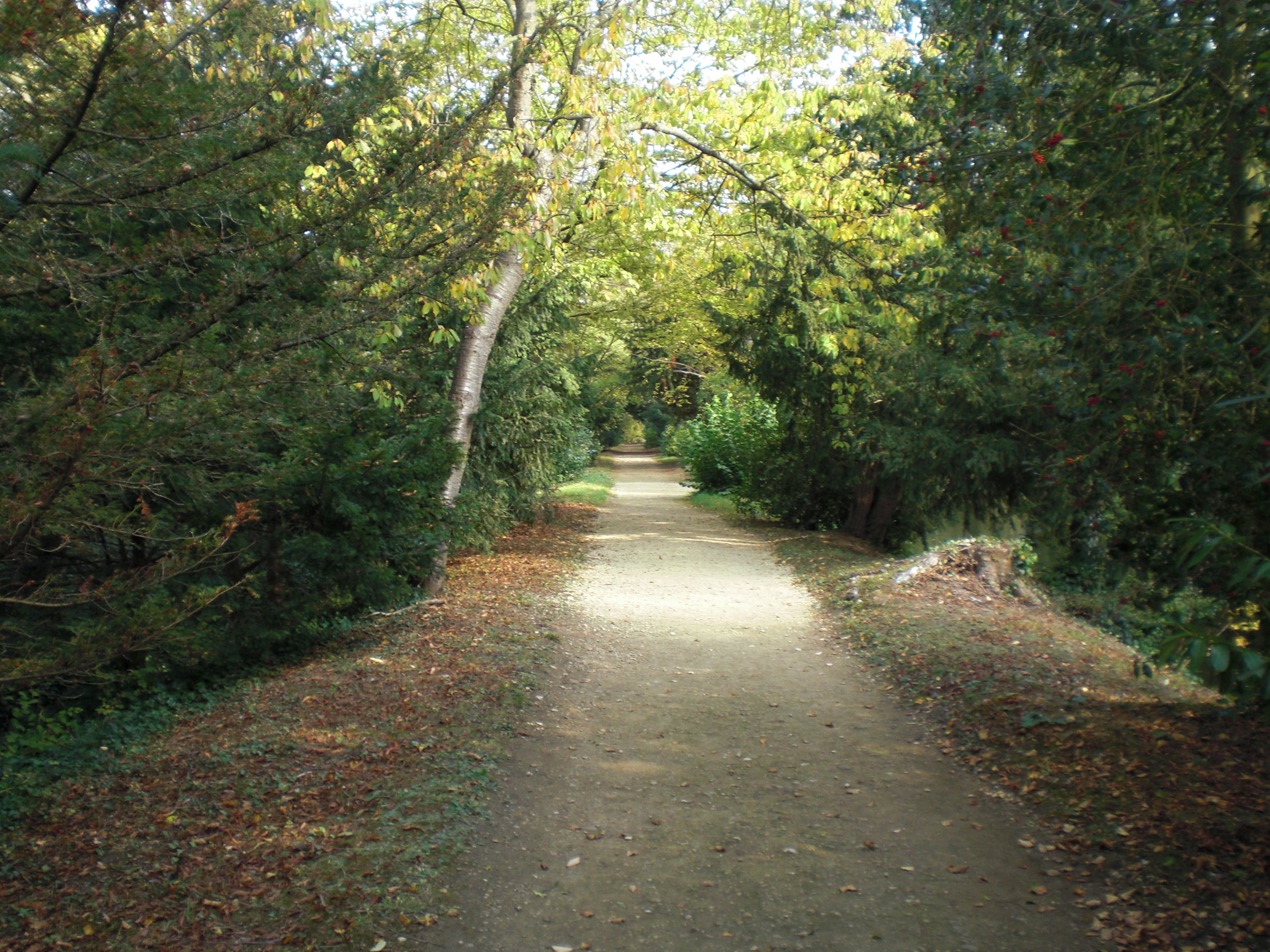
Walking in Oxfordshire is, for me, connected to Gabriel Schenk. I’m not certain how many years ago it was now, but when hearing I was in Oxford, Gabriel offered to show me around. As an Oxford alum, Gabriel has a magic card that gets him in and out of colleges without the troublesome need to fill the porter’s cup. Over time, our gambles became more rural, closer to his home out of town, but it was Gabriel who gave me the key to the city of dreaming spires.
Dr. Gabriel Schenk is a scholar of the Arthuriad, one of the masterminds behind The Tolkien Lecture in Oxford, and a fellow teacher at Signum University. In 2023, Gabriel gave a compelling keynote speech at Mythmoot on Alfred, Lord Tennyson (the comma is important) and his “In Memoriam A.H.H.”:
I hold it true, whate’er befall; I feel it when I sorrow most; ‘Tis better to have loved and lost Than never to have loved at all (Canto XXVII).
At a bonfire later that night, Gabriel shared some of his vision for his social media platform. I told him I was impressed with how positive and atmospheric his Instagram feed was. The pictures of his walks and discoveries allow me to visit great English moments of the past and present when I am seconded at home.
More recently, Gabriel has been producing informative mini-documentaries on YouTube about some of Europe’s more intriguing literary figures. Gabriel takes us to “Mary Shelley’s Memorials,” “Anne Brontë in Scarborough,” and “Franz Kafka in Prague.” He even pinpoints the precise spot where Dracula landed in Whitby, North Yorkshire, England–despite more than a century and a quarter of time passing between then and now.
Now, Gabriel has turned to a place I know as well as any in Oxford, Addison’s Walk. With a captivating combination of word, image, and music, Gabriel tells the story of a September night in 1931, when fellow literary scholars J.R.R. Tolkien and Hugo Dyson brought C.S. Lewis to the edges of eternity, where myth and history, like poetry and prose, become one.
As I have been writing about Lewis and “The Great Story on Which the Plot Turns”–the death and resurrection of Jesus–I know the tale of Addison’s Walk pretty well. Still, I began my day today watching this video, and I was moved by the autumnal setting, the space the film-making gives to reflection, and Gabriel’s recitation of Tolkien’s poem, “Mythopoeia“:
You look at trees and label them just so, (for trees are ‘trees’, and growing is ‘to grow’); you walk the earth and tread with solemn pace one of the many minor globes of Space: a star’s a star, some matter in a ball compelled to courses mathematical amid the regimented, cold, inane, where destined atoms are each moment slain. . . .
It is a poem that captures the collision of worldviews that led to Lewis’s life of faith and writing. It is also the poem that helped me understand best how stories live in the world. And so I share it with you, dear reader.
For the entire text of “Mythopoeia” and my reflection, see:
And here is the link to Gabriel’s guest post on A Pilgrim in Narnia, “‘The Name is Against Them’: C.S. Lewis and the Problem of Arthur” by Gabriel Schenk
I believe in open access scholarship. Because of this, since 2011 I have made A Pilgrim in Narnia free with nearly 1,000 posts on faith, fiction, and fantasy. Please consider sharing my work so others can enjoy it.
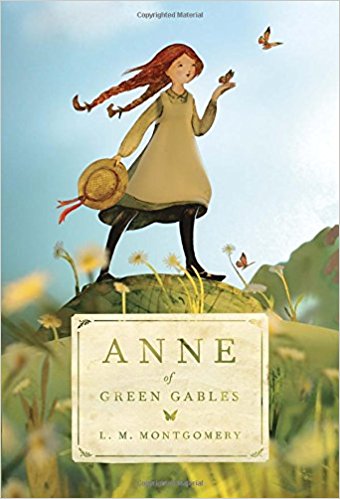
Last fall, I taught “Reading L.M. Montgomery as Fantasy: Anne of Green Gables,” and it was one of my favourite teaching experiences ever. It is an idea that I have wanted to test for a while: rereading the iconic Anne of Green Gables as if it were a fantasy book rather than as realistic youth fiction (as it has traditionally been sold). I ended up broadcasting from different places in the land of Anne, including her grandfather’s homestead. While I had a hunch that the material would work, I was amazed at how powerfully this approach transformed Anne of Green Gables for me as a reader.
So, we are offering “AGG as Fantasy” again in November, with a view to a similar approach in the future to Emily of New Moon, The Story Girl, or another Anne book (Rainbow Valley, maybe?).
SPACE is an online, interactive, non-credit short course program for adult lifelong learning. It is quite an innovative program for folks who want to engage in great discussions and learn more about things they love. Classes are $100-$150, depending on how frequently you take the journey, and you can sign up here.
In the course description and video teaser below (where I sort of snuck into a National Park after hours), I make my pitch for why this short course could be really beneficial to first-time Anne readers and old friends of Green Gables.
I don’t know if my “Fantasy Anne Experiment” will create a revolution in literature or anything, but it is a chance to spend 8 classes over 4 weeks close-reading Anne of Green Gables and seeing a classic from a new angle.
Reading L.M. Montgomery as Fantasy: Part 1: Anne of Green Gables Precepted by Dr. Brenton Dickieson
Within weeks of its 1908 publication, L.M. Montgomery’s Anne of Green Gables became a bestseller. Over the years, this charming orphan story put Montgomery and her imaginative Prince Edward Island on a global map.
Despite the fact that Anne of Green Gables is Canada’s bestselling novel throughout the world—or because of it—Montgomery was ignored by the literati and scholarship. Montgomery was a public intellectual, the first female Canadian fellow of the Royal Society of Arts, and invested Officer of the Order of the British Empire. Still she was dismissed as “just” a children’s writer, a regionalist, or a woman. It was 25 years after Montgomery’s death before children’s literature and feminist scholars began to recover her work as worthy of study.
While there is a robust field of Montgomery scholarship, there are areas where our focus is sometimes too narrow. One of these is the category of “realistic” fiction. While there is a kind of verisimilitude about everyday life in the late Victorian era in her work, the realism is pressed to the margins of definition as Montgomery romanticizes the worlds she creates. And can we disagree that there is something magical about Anne herself? By changing our way of approach and by looking at Anne of Green Gables as a fantasy novel, what can we unveil in this classic novel?
Native Prince Edward Islander and Montgomery scholar Brenton Dickieson will lead students through a rereading of Anne of Green Gables using the lenses we use to study fantasy and speculative fiction with the goal of allowing one of the greatest living children’s books to live in new ways.
I believe in open access scholarship. Because of this, since 2011 I have made A Pilgrim in Narnia free with nearly 1,000 posts on faith, fiction, and fantasy. Please consider sharing my work so others can enjoy it.


























 A Pilgrim in Narnia