I am pleased to announce two online Inklings events that I will be attending today:
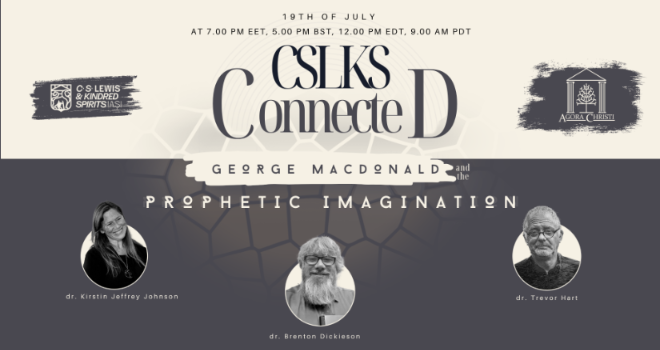
“George MacDonald and the Prophetic Imagination” with Kirstin Jeffrey Johnson and Trevor Hart, moderated by Brenton Dickieson (CSLKS Connected)
This is a C.S. Lewis and Kindred Spirits Society Connected event, continuing the series from our friends at Agora Christi in Iași, Romania. I am moderating this conversation between Dr. Kirstin Jeffrey Johnson and the Rev’d Canon Dr. Trevor Hart as we talk about how George MacDonald thought theologically about the imagination in prescient and transformative ways. This conversation continues a series of events celebrating the bicentennial of MacDonald’s birth. We’ll see you at 12:00 pm Eastern!
Time: Fri, Jul 19, 2024: 12:00 pm EDT (or 6:00 pm EET, local Romania time)
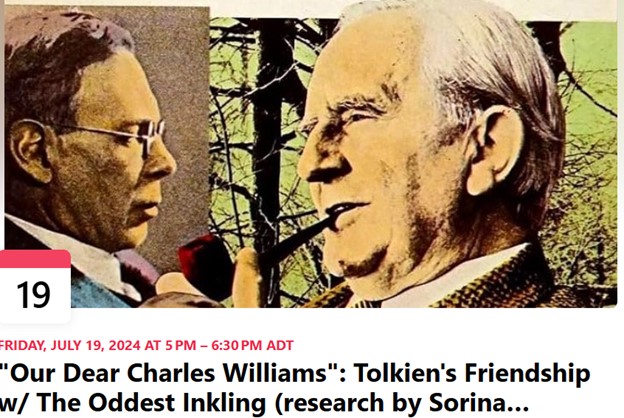
“’Our Dear Charles Williams’: Tolkien’s Friendship with the Oddest Inkling” with Sørina Higgins (IFF)
At the zenith of the Inklings’s social and creative energy, J.R.R. Tolkien wrote a poem about “Our Dear Charles Williams.” It is a long poem—over three pages—full of praise, gentle teasing, and inside jokes. Many of its references may escape the casual reader or even the Tolkien scholar who is less familiar with Williams’s works. The poem is especially important because of the discussion (and sometimes debate) concerning the precise nature of the friendship between Tolkien and Williams.
Dr. Sørina Higgins, author, lecturer, acclaimed Charles Williams scholar, and curator of The Oddest Inkling, will be the guest expert on Inkling Folk Fellowship this Friday, July 19th, at 4 p.m. (Eastern). IFF is an online, free, mostly weekly meeting designed to talk about the arts, faith, literature, and creativity.
I believe in open access scholarship. Because of this, since 2011 I have made A Pilgrim in Narnia free with nearly 1,000 posts on faith, fiction, and fantasy. Please consider sharing my work so others can enjoy it.
Confession: I judge books by their covers. I understand that I am sanding across the grain of all wise folks who can put their thoughts in a single Tweet or readable on a bumper sticker. But I simply do judge books by their covers. It is not that they have to be perfect–and I still love the look of a clothbound volume with black or silver lettering. However, when a book is beautifully designed, I find the whole reading experience is more rich.
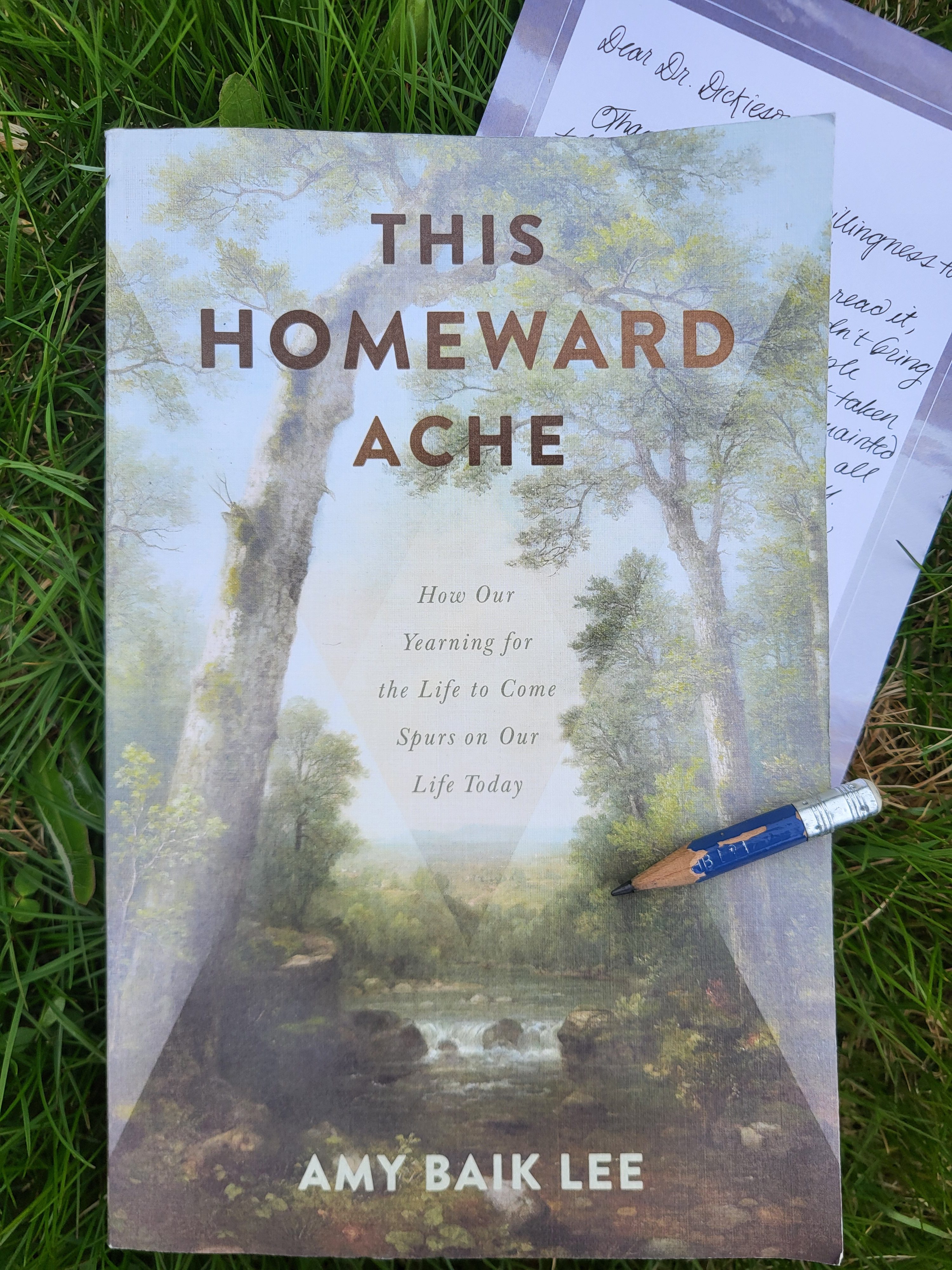
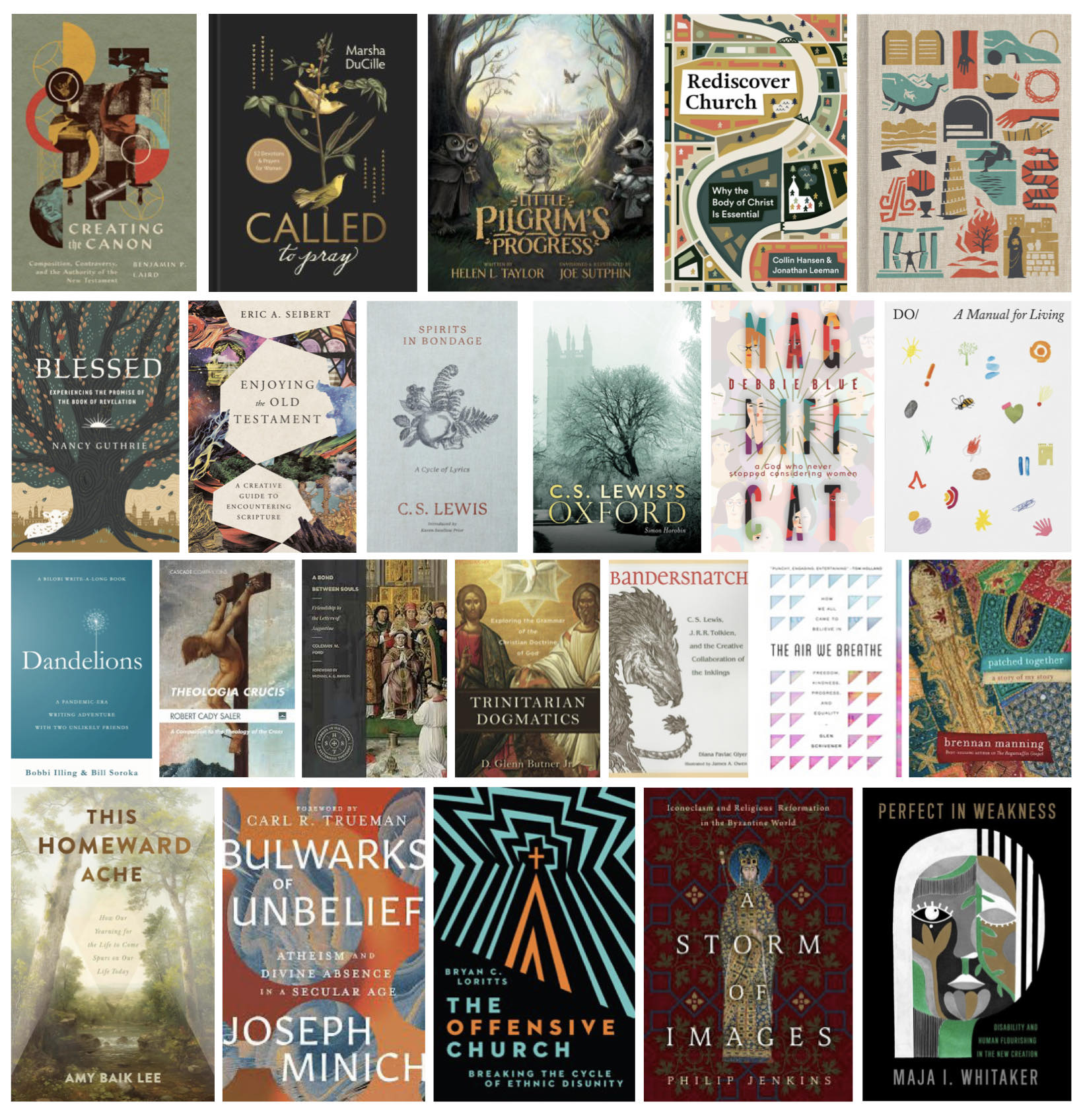
I talked about this in a recent review of Amy Baik Lee’s This Homeward Ache: How Our Yearning for the Life to Come Spurs on Our Life Today. It is just a beautifully designed book, from the lovely cover that captures the sense of the reading experience to the typeset and subtle details. On its own, it was a good book–a great book, I felt–but the good design enhanced its loveliness for me.
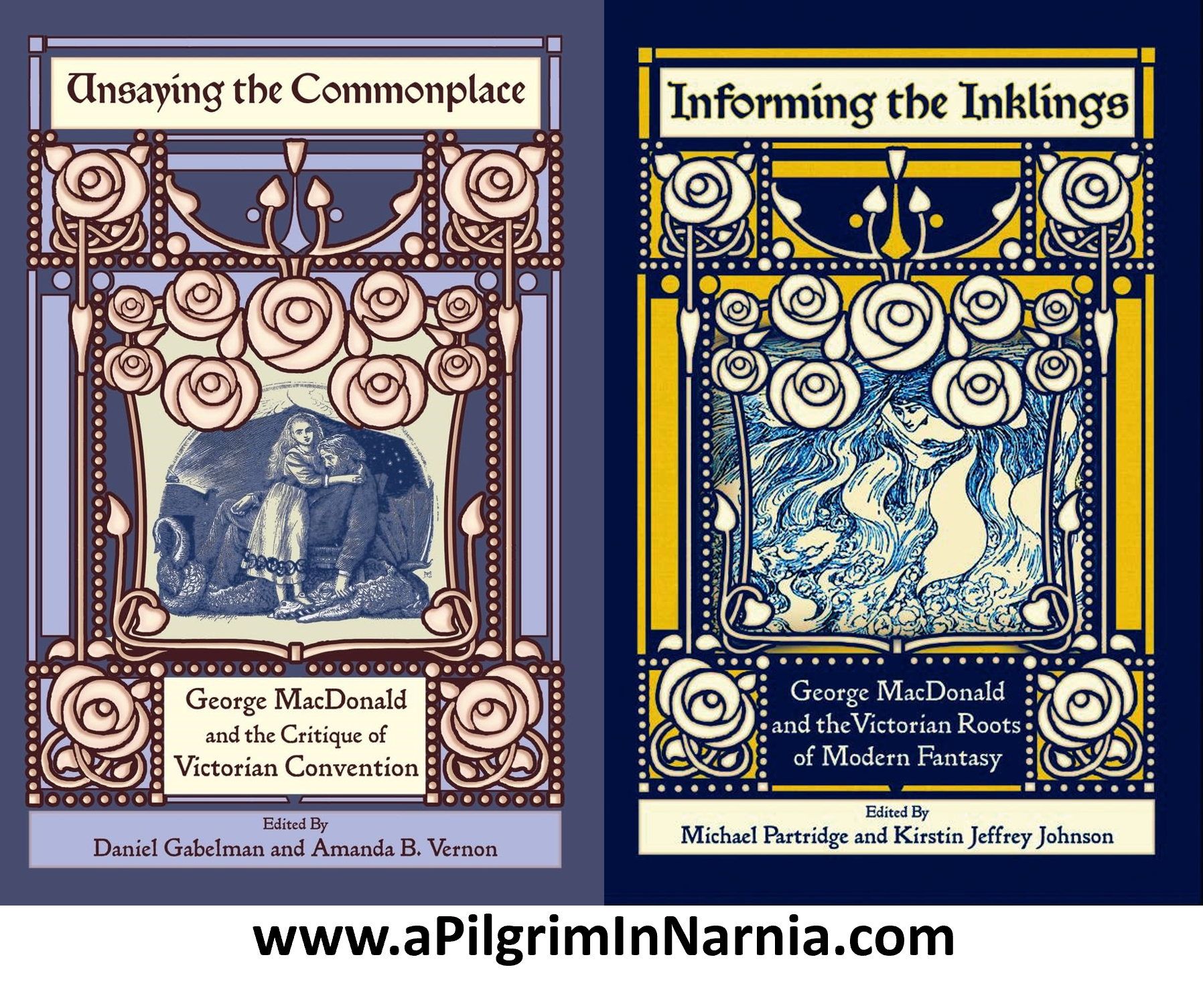
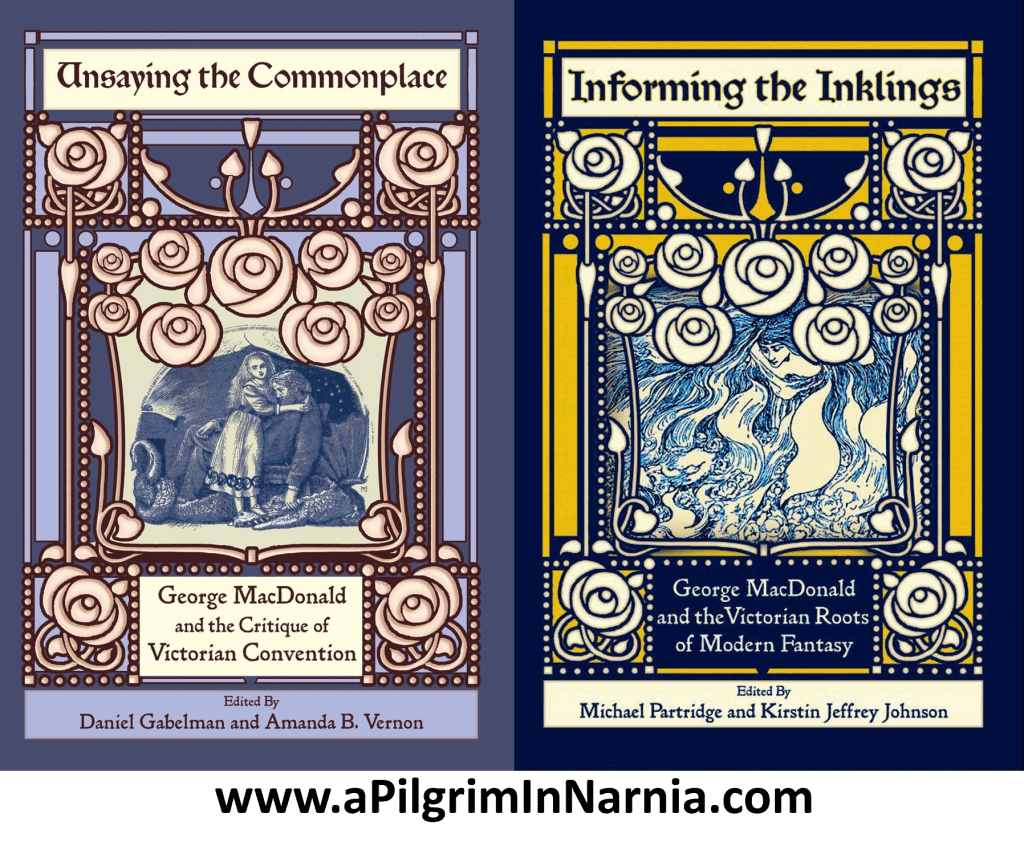
At the recent George MacDonald bicentennial conference in Wheaton, IL, I was handed a collection of essays, Unsaying the Commonplace: George MacDonald and the Critique of Victorian Convention, edited by Daniel Gabelman and Amanda B Vernon (who both turned out to be brilliant and generous of spirit). The book cover is gorgeous–at least to my eye.
I also love that it matches a previous volume in this GeoMac Victorian series: Informing the Inklings: George MacDonald and the Victorian Roots of Modern Fantasy, edited by Michael Partridge and Kirstin Jeffrey Johnson (also wonderful people). Besides trying to introduce this series to readers, I want to note that these are books by Winged Lion Press–a small publishing firm publishing books about the Inklings and other mythopoeic writers simply because it is a beautiful thing to do. Small press runs and very little cash, and still these beautiful designs (and I like the design of some other George MacDonald works, like the Phantastes annotated edition and essay sets on Phantastes and The Back of the North Wind).
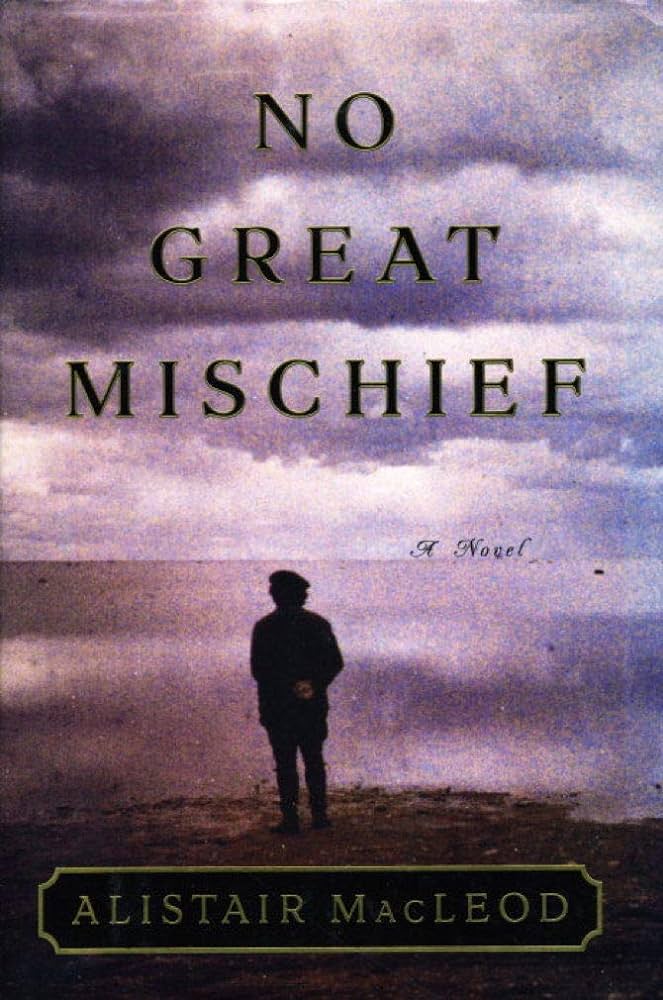
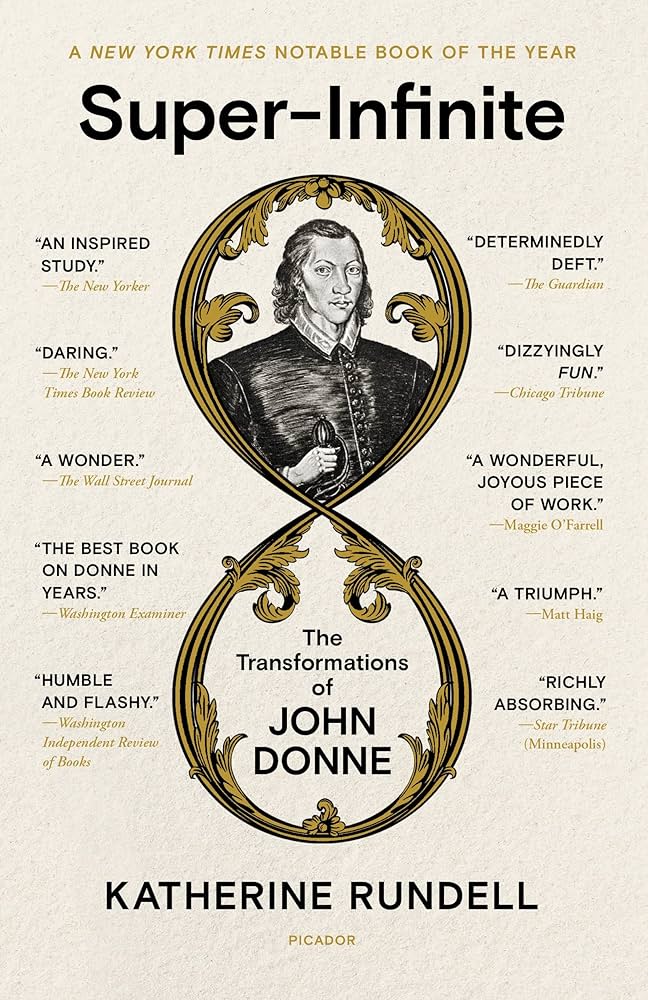
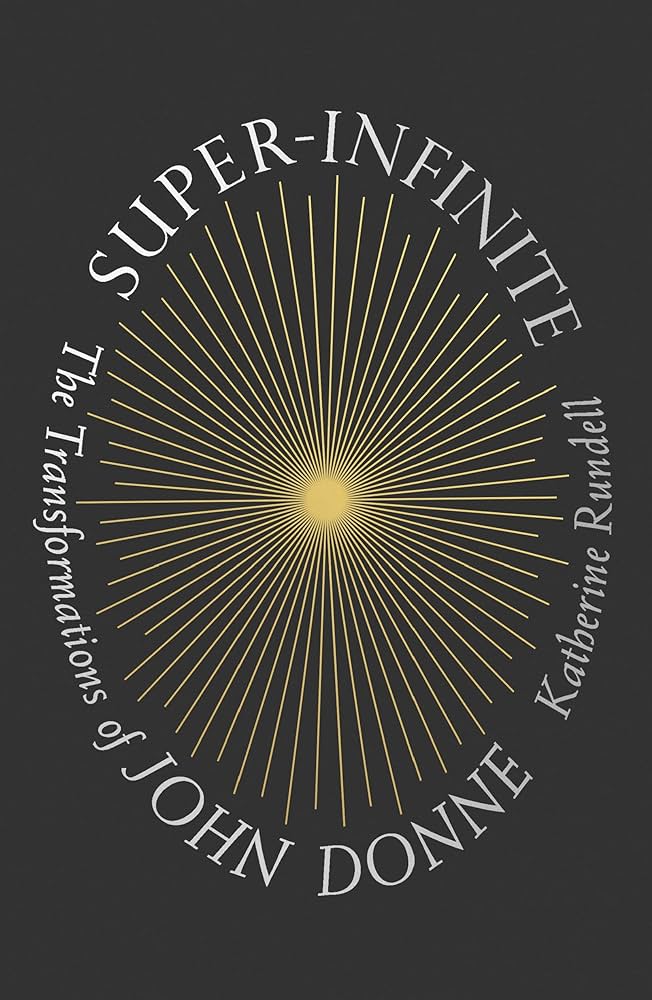
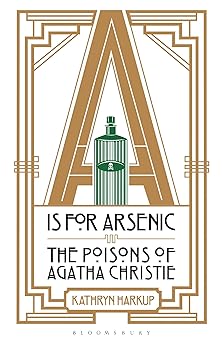
Of course, there could be hundreds of beautiful book covers. My visually impaired memory doesn’t allow me to keep them all in my head, but it doesn’t stop me from loving them. Here are some nonfiction book covers I like in my Kindle collection:
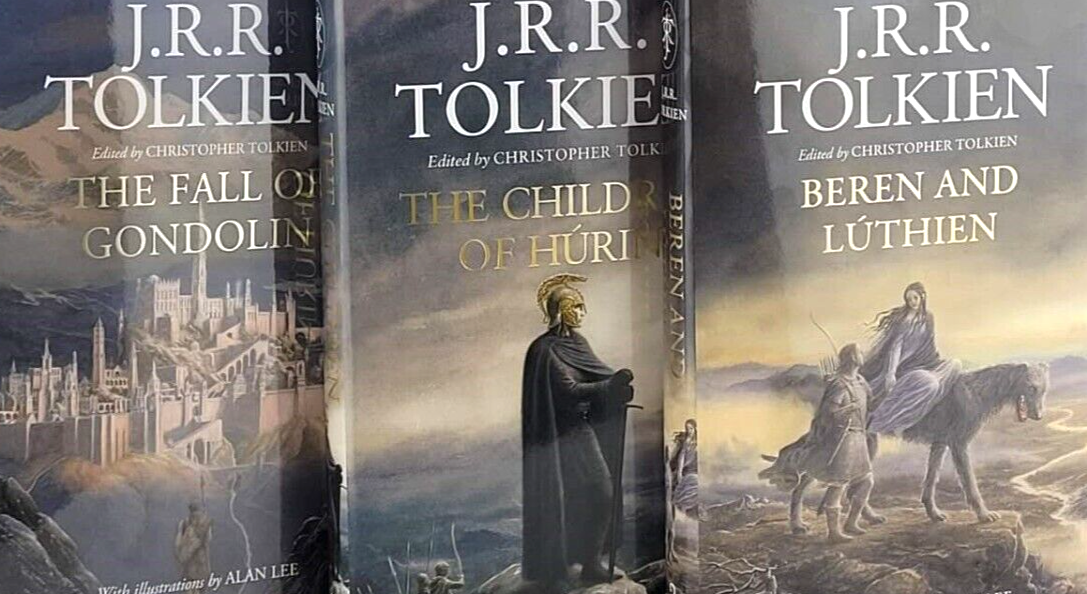
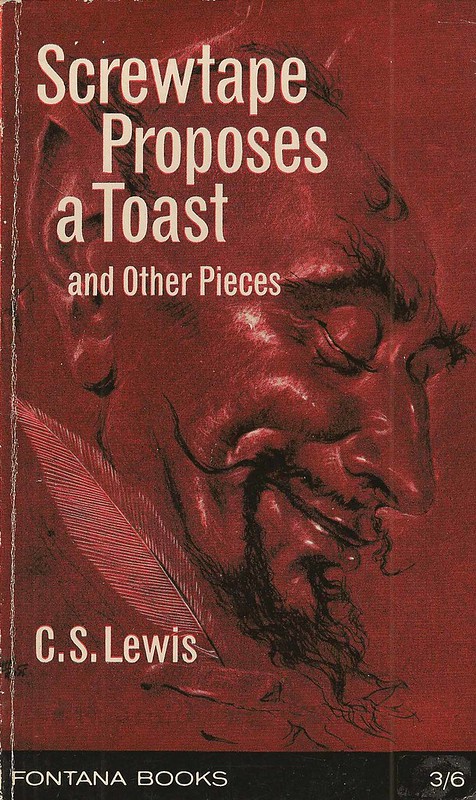
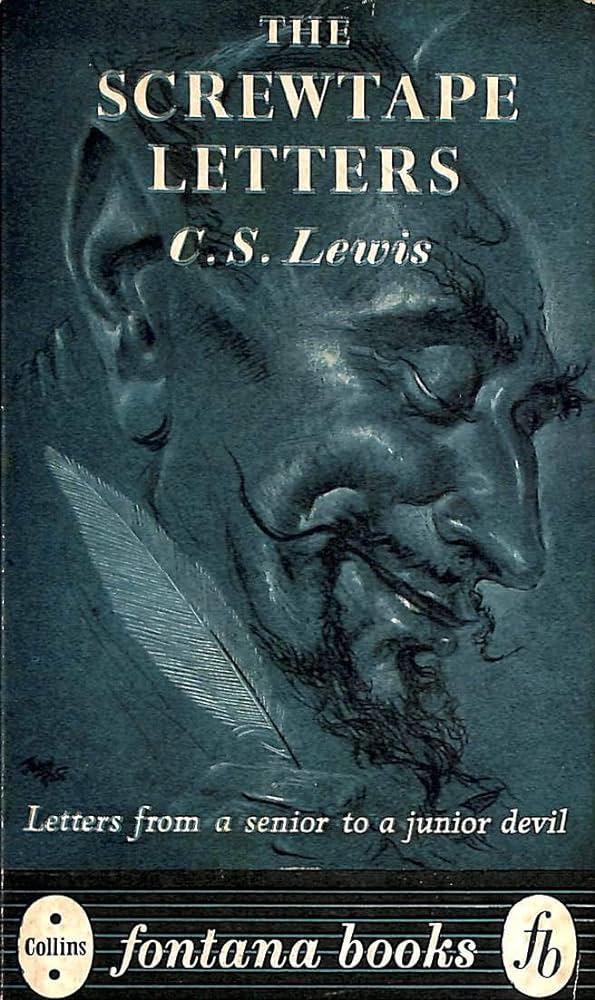
So I am a sucker for a cool design. I am satisfied with none of the covers for The Screwtape Letters, but I love some of the newish Tolkien 1st Age and 2nd Age materials (often illustrated by Alan Lee), and the non-Middle-earth materials.
I have an “Author’s Questionnaire” in front of me for an upcoming book, and I am not in the dock: will I be able to guide my design team towards good book cover design? Honestly, I don’t know if they are doing a twopence book cover design or are really going to dig in and do well. Still, it has made me thoughtful.
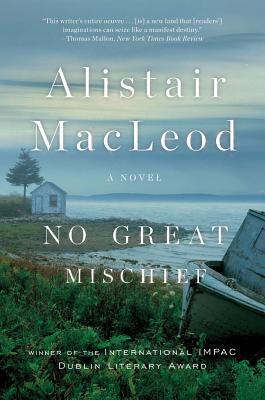
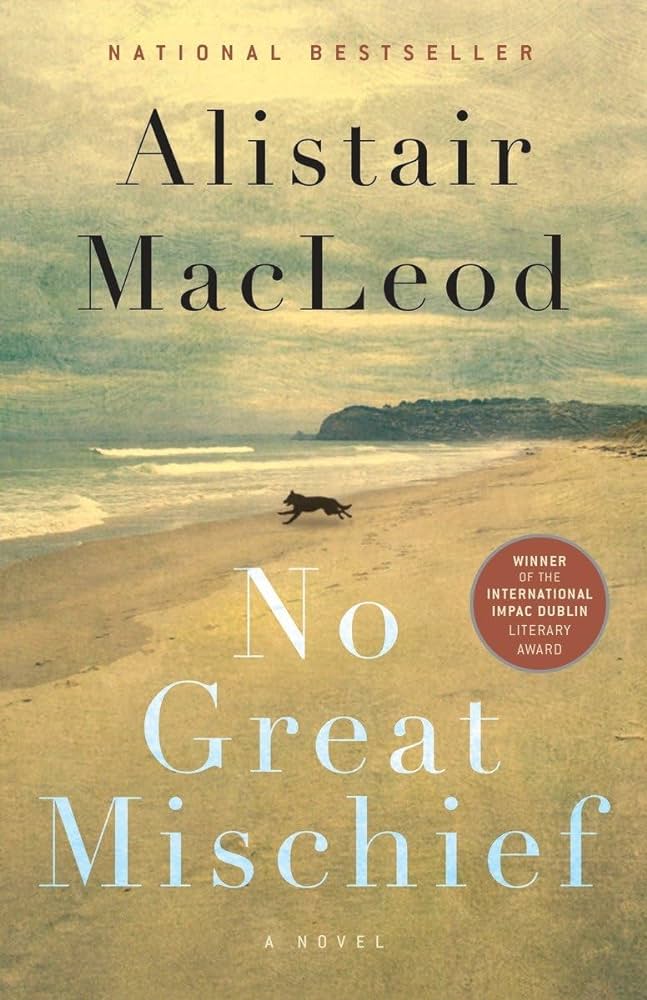
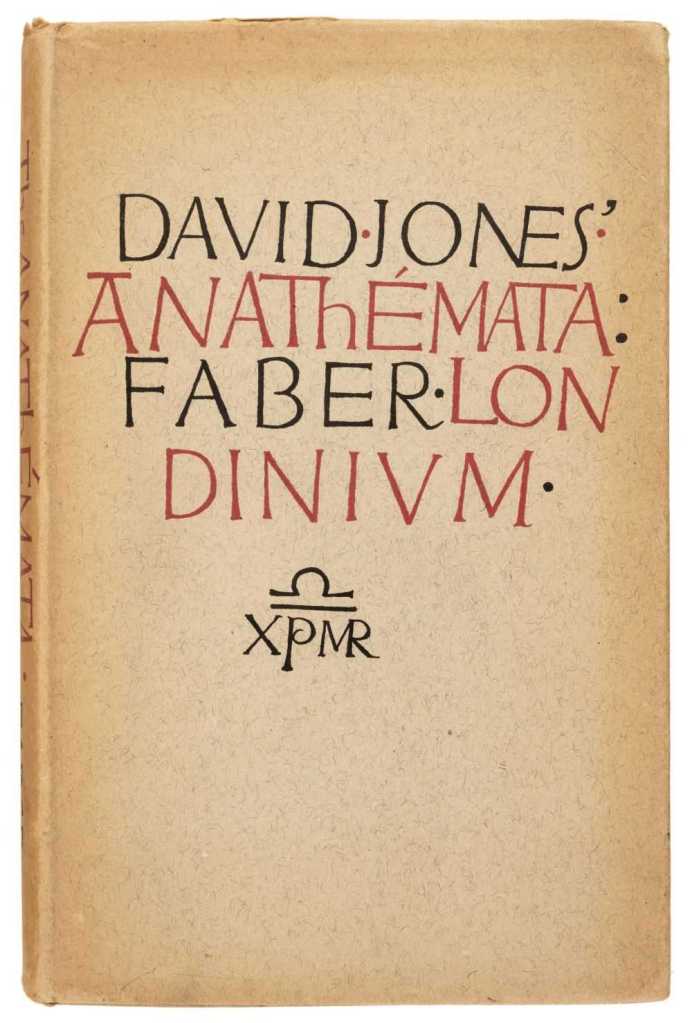
So I would love to know from you all what your favourite nonfiction book cover designs might be. I’ve talked about terrible book covers (see here and especially here), but now it’s time to share things we love. Add them in the comments below with a link to the book cover, if you can.
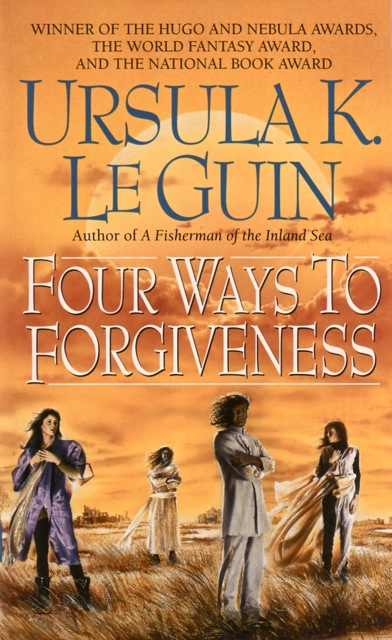
While most of the suggestions this far are fiction or have multiple editions, here are some of the noted pieces:
I believe in open access scholarship. Because of this, since 2011 I have made A Pilgrim in Narnia free with nearly 1,000 posts on faith, fiction, and fantasy. Please consider sharing my work so others can enjoy it.
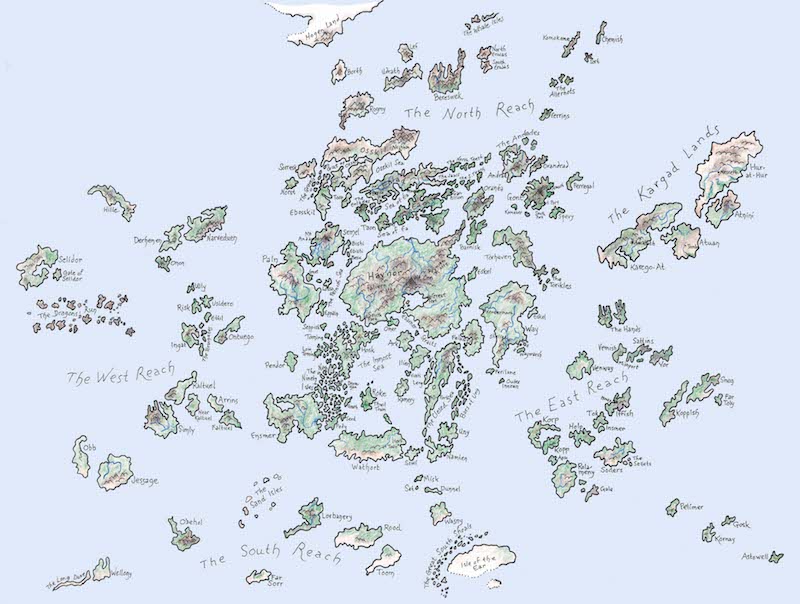
“Ursula Le Guin’s map of Earthsea, a primary piece of world-building by name-making” John Garth
Happy Friday my fellow wayfarers! I am recalling this post from the first edition of the grad course at Signum on Ursula K. Le Guin with the ever-brilliant Kris Swank. I am not teaching this deep-dive course this summer–though I have a lecture-discussion role at one point in the term. I love Kris’ approach toLe Guin as a “world-builder”–a shaper of speculative universes that are as dynamic, alluring, and provocative as her characters, storylines, and poetic prose have always been.
I admit this post is a bit indulgent. I am not able to go to MythMoot XI in June. The theme is, “The Resilience of Imagination,” and I am sad to miss it. Thus, remembering my Le Guin teaching and writing is somewhat of a consolation.
In preparation for the 2021 course, I read through Le Guin‘s entire bookshelf with an online reading group (including her essays, which were formative for me). I continue to be fascinated by her work, having been drawn into the fantasy Earthsea series as a child and young adult. Le Guin fascinates others, as well. Since she passed away, Mythlore has released a full special issue dedicated to Le Guin (see the free articles here), a Ursula K. Le Guin Prize for Fiction has been announced, and a peer-reviewed annual scholarly journal has launched, UKL: The Journal of Ursula K. Le Guin Studies. It’s all very cool.
Thus, here are the details on Kris’ Signum course and some resources that are connected to the original launch. Kris has written a thoughtful and accessible piece about “Ursula’s Bookshelf.” I’ve also tucked some of my Le Guin reflections in with hyperlinks, here and there. You can also check out my reviews and articles, such as:
Ursula K. Le Guin: Worldbuilder by Kris Swank (details here)
Ursula K. Le Guin (1929-2018) described herself as “A Citizen of Mondath,” that country of the imagination where live the storytellers, the mythmakers, and the singers. In this survey of her works, we will study Le Guin’s own use of story, myth, and song to build unique worlds at the heart of her fiction: the far-flung Hainish Universe, the intimate islands of Earthsea, the disparate states of the Western Shore, and others. We will examine her literary theories of science fiction and fantasy as vehicles for myth, archetype, and character, and as locations for the exploration of gender, politics, the environment, race, culture, religion, and power. Finally, we will examine how her views evolved over time as she revisited and re-visioned the worlds she had built, and how her legacy empowers other authors to build worlds of their own.
John Garth, “Ursula Le Guin, the language of Earthsea, and Tolkien”
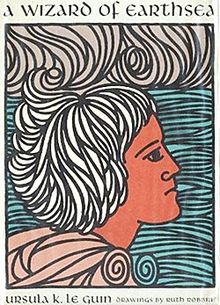
Always thoughtful, writerly historian John Garth posted an article on his website about Le Guin and language. While Le Guin has more fully worked out implications of her Hainish world and its names, the idea of language runs deeply through Earthsea. Garth asks whether there could be a tribute to Tolkien embedded in Le Guin’s classic fantasy novel, A Wizard of Earthsea. I was skeptical at first about Garth’s winsome answer, but found the article brought a number of things together for me. “Ursula Le Guin, the language of Earthsea, and Tolkien” is worth reading not just for the thought experiment but for what the experiment produces when it comes to constructed language invention.
I encourage you to read this piece and John’s other work on imaginative literature, including his books on Tolkien.
Thesis Theater and Paper: Maximilian Hart, “Draconic Diction: Truth and Lies in Le Guin’s Old Speech” (Full Video and Full Paper Link)
I was pleased in 2021 to be the second reader for an exciting project by one of Signum University’s bright MA students. Beginning with curiosity about “Old Speech” in Ursula K. Le Guin‘s Earthsea series, under the supervision of Kris Swank, Maximilian Hart has pulled together a paper that draws on linguistic theory, Platonism, and Taoism in a conversation between Le Guin and the theories of language and story of the Inklings—C.S. Lewis, J.R.R. Tolkien, and the oft-forgotten but ever-present Owen Barfield. And, best of all, there are dragons–and the question about whether dragons can deceive in Old Speech. If you enjoy Le Guin’s work, or if you are curious to see the Inklings as thinkers in writers in dialogue with a later speculative fiction writer, you can see the full video from Signum’s Youtube page below, and you can find the full paper here.
Maximilian Hart, “Draconic Diction: Truth and Lies in Le Guin’s Old Speech”
Thesis Abstract
Ursula K. Le Guin’s Earthsea series enters an ongoing dialogue about the nature of language; in it, she proposes a language spoken by dragons and wizards, “the Old Speech,” a language fundamentally unlike our human languages. It is a language in which it is impossible to lie, a language which is simultaneously descriptive and generative: to say the name of a thing is to have the thing come to be. This Old Speech is what the ancient poetic unity of language—to use Owen Barfield’s terms—might look like: a language in which the Tao, the underlying reality of a thing, is named in every word, a language in which every word is a narrative and true. However, dragons, not the titular, and ostensibly central, wizards, are the true poets of Earthsea; the dragons are the ones who see with a poet’s eye and who are actually capable of wielding the Old Speech in its ancient, unified, fully poetic sense, a sense which encompasses all shades of meaning and existence and narrative in one word. Le Guin’s Old Speech, then, can best be understood as a true language of Barfieldian ancient unity, and the dragons are not liars but poets practicing their art.
Maximilian Hart is a high school English teacher and has been a student at Signum University since 2016. His academic focus is currently on studying the works of Ursula K. Le Guin and her approaches to language. When he’s not reading books for class or his own high school students’ papers, he’s spending time with his wife and children or pretending to improve at chess or woodworking.
About Signum Thesis Theaters
Each of our master’s students writes a thesis at the end of their degree program, exploring a topic of their choice. The Thesis Theater is their opportunity to present their research to a general audience, and answer questions. All are welcome to attend!
I believe in open access scholarship. Because of this, since 2011 I have made A Pilgrim in Narnia free with nearly 1,000 posts on faith, fiction, and fantasy. Please consider sharing my work so others can enjoy it.
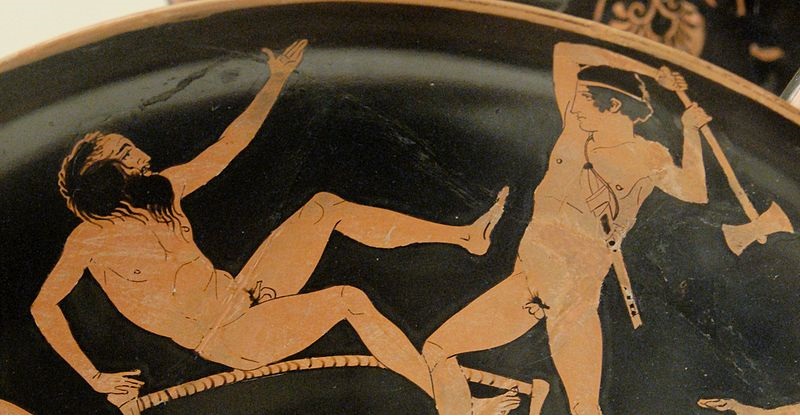
I was in a room on campus this week with English literature scholars from different disciplines. One of them tried to find words for C.S. Lewis‘ relationship with “politics.” “Lewis wasn’t political…” he began, and then added after a pause, “in that sense.” My colleague did not need to define what “that sense” was. Lewis was always making social commentary and had his own values and perspectives. Still, any self-critical reader today will have trouble making Lewis lay comfortably alongside any single political platform. It would be a challenge even for Procrustes, with his cunning engineering mind, to fit the sheets for any partisan bed prepared for Lewis.
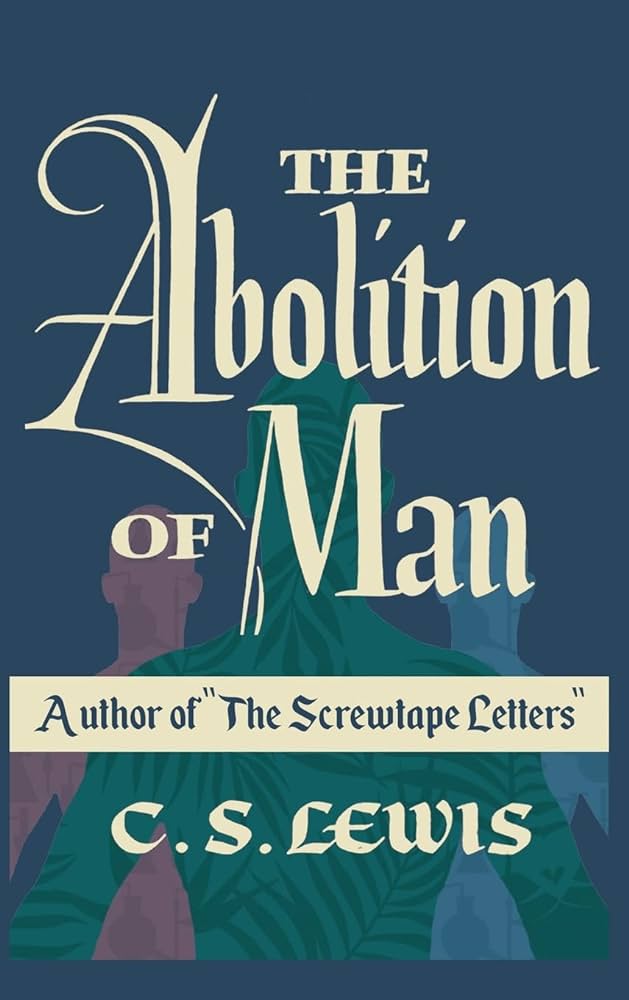
Not that people don’t try. I have heard that an advocacy group has provided arguments for their men’s movement with Lewis’ essay, The Abolition of Man–about how we can lose our humanity unless we think critically about education and technology. Now, I find The Abolition of Man to be a challenging text. Still, can any reader not know that Lewis is talking about the social species Man–humankind, homo sapiens, children of Adam and Eve, you get the idea–and not whatever masculine, muscular, rugged vision of maleness they are inviting local men to envision.
It’s not that I mind men moving. I am one–a man, that is–and I move from time to time. What I struggle with is the eradicated space between that activist’s keyboard and Lewis’ lectern, as if Lewis’ ideas came from the printed book or computer screen. It’s the literary version of the school child who answers the question “Where does milk come from?” with the obvious answer, “The Store!” As readers, we can sometimes forget the space-time dislocation–though Lewis never ceased challenging readers to recognize that other-when and other-where authors used words differently and had different worldviews. We must learn to appreciate those minds to understand the text. Still, I have trouble believing that any philanthropic cause would twist the text’s meaning to their purposes–or that, if it is ignorant leadership, such a movement would move very far. Certainly, I am misinformed.
Still, it happens in less obvious ways. There is some cringe-worthy commentary on Lewis and the creation-evolution debate that twists him into unrecognizable works of geometric lawn art. Usually, though, social appropriators chop Lewis up into little bits. This annoyed him. Thus, when Kathryn Lindskoog shared her criticism of his work with Lewis, he commended her for realizing:
“… the connection, or even the unity, of all the books–scholarly, fantastic, theological–and make me appear a single author not a man who impersonates half a dozen authors, which is what I seem to most” (Oct 29, 1957 letter to Kathryn Stillwell).
One of the reasons it was refreshing to have this local literary conversation was because Lewis was treated as an integrated whole. They never even thought, it seems, to treat Lewis the Apologist in isolation from Lewis the Fantasist or Literary Historian. Even more importantly, Lewis’ theology, morality, cultural criticism, artistic expresses, and habits of the mind were all treated together with his literature.
Since then, I have been thinking about the consistent, artistic critique Lewis makes of culture–including that social-political commentary that is hard to streamline in party terms. Lewis crumbles the foundation of what “everyone” knows–whether common sense, academic trends, or political inner circle wisdom–and then redesigns the architecture of thought from the ground up. He does not always do it perfectly, but this two-step movement of intellectual renovation attracts me.
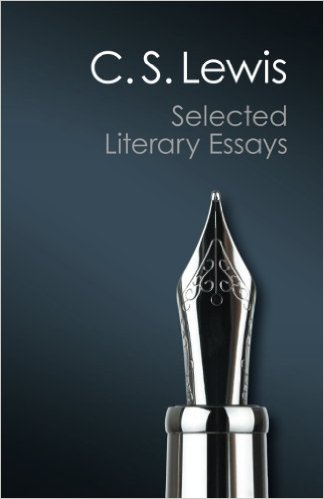
As this was on my mind, I started reading Lewis’s essay in Selected Literary Essays on Joseph Addison (1672-1719). an Enlightenment-era public intellectual. Addison co-founded The Spector magazine, a public-facing philosophical and literary daily that aimed “to enliven morality with wit, and to temper wit with morality” (see here). Rather than a vague “Lewis wasn’t political in that sense” approach, in this essay, Lewis brings the Whig-Tory battle of the 18th-century English political scene to the front of the discussion. Today’s left/right-liberal/conservative binary only helps a little in understanding the divide, depending on your view of the monarchy in British law. Addison was a Whig, and Lewis contrasted him to popular Tory writers Alexander Pope and Jonathan Swift (the other Swift, not Taylor).
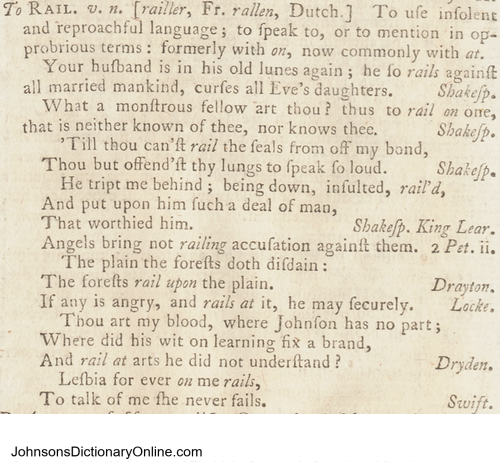
Lewis is primarily interested in the rhetoric that era writers used in public debates. Addison’s party won the social-political long game, Lewis argues, because while Tories are railing at their enemies–often hilariously or satirically–Addison is reshaping the public image of his enemies into amiable old men who are fading with ancient days into the past. The contrast of approaches is intriguing:
“A satiric portrait by Pope or Swift is like a thunderclap; the Addisonian method is more like the slow operations of ordinary nature, loosening stones, blunting outlines, modifying a whole landscape with ‘silent overgrowings’ so that the change can never quite be reversed again. Whatever his intentions, his reasonableness and amiability (both cheerful ‘habits’ of the mind) are stronger in the end than the Tory spleen. To rail is the sad privilege of the loser” (“Addison,” Selected Literary Essays).
“To rail is the sad privilege of the loser.” A punchy line for today’s cage-match social discourse no less than 18th-century Tory-Whiggery or Lewis’ WWII England when the essay was written.
Still, we must admit that as writers, Swift and Pope have outlasted Addison–at least in the popular reach of modern classics. What kind of legacy do we want: literary or social?
Lewis would say that is a historical accident, in this case, for vehement opprobrium reveals subterranean desperation:
“When authors rail too much (we may allow them to rail a little) against public taste, do they perhaps betray some insufficiency?” (“Prudery and Philology,” Present Concerns)
Lewis occasionally railed too much–such as in a Curmudgeonly Christmas essay when he was under tremendous personal pressure. A careful reading of The Last Battle, for example, shows that when characters descend to verbal insults, unfettered vitriol, ill-drawn caricatures, tribal protectionism, or noisy reproach, they are characters who either have limited vision or are actively trying to blind others. Literature that betrays the “accent of the angry belle-lettrist railing” (“Addison,” Selected Literary Essays) is not a good look for the thinking writer.
Thus, I am going to take Lewis’ comment on “railing” at others as a prophetic critique. I won’t be silent to social injustice, theological insipidity, or dishonest scholarship. However, increasingly, I want to live in the Internet of Awesome rather than the Digital Dungeons of Christian Twitter, TikTok battles, or YouTube polemic. I will not spot every troll lurking in the Instagram comments, but at least I can try.
And, who knows? I, too, may have misjudged the shape of Lewis’ waiting bed in the spare room.
I believe in open access scholarship. Because of this, since 2011 I have made A Pilgrim in Narnia free with nearly 1,000 posts on faith, fiction, and fantasy. Please consider sharing my work so others can enjoy it.
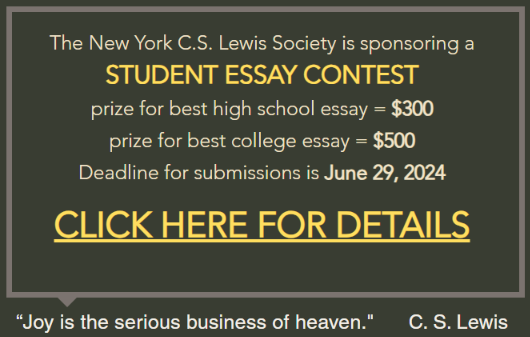
I thought this was some news worth sharing! The New York C.S. Lewis Society is hosting a Student Essay Contest this spring. The New York C.S. Lewis Society was founded in 1969, six years after Lewis passed away. Besides monthly meetings, they also produce CSL: The Bulletin of the New York C.S. Lewis Society–a society newsletter that never fails to provide enjoyment and profit for the reader. In each issue, you will find news, reviews, and book notes, but also an academic essay and some occasional features, like Dale Nelson–who has contributed from time to time on A Pilgrim in Narnia–and his “Jack and the Bookshelf” series (now numbering into the 50s in number). The essays are consistently smart and readable while retaining a folksy society feeling.
I was pleased to be one of the guest speakers in the past, and I’m excited to share this new initiative. The full details are in the PDF linked below. However, here are some of the key points of interest:
Eligibility: High School Students: 1,500-3,000 words (Prize: $300, publication, one-year membership) College Students: 2,000-5,000 words (Prize: $500, publication, one-year membership)
Deadline: June 29, 2024
Other Prizes: The top five finalists in each category will be publicized in the Society’s bulletin and given a one-year membership in the New York C.S. Lewis Society. Students enrolled in a college or high school (public, private, or home school) are eligible. Winning essays will be announced at the November meeting of the Society.
I believe in open access scholarship. Because of this, since 2011 I have made A Pilgrim in Narnia free with nearly 1,000 posts on faith, fiction, and fantasy. Please consider sharing my work so others can enjoy it.












 A Pilgrim in Narnia